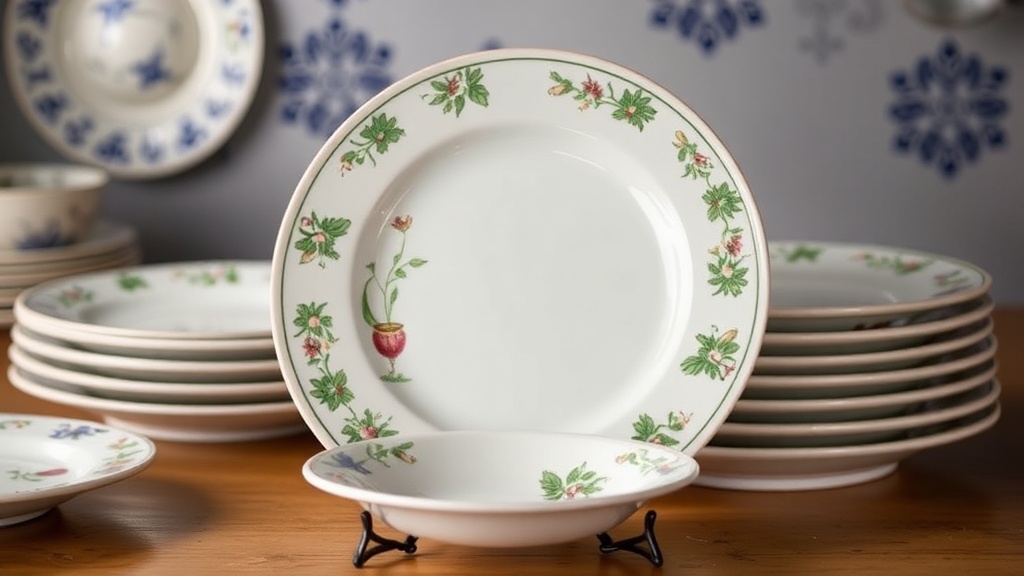
Cleaning Porcelain Souvenir Plates Without Cracking the Glaze

You’ve just pulled a dusty, mid-century porcelain plate from a thrift store bin or a long-forgotten attic trunk. It looks beautiful, but a thick layer of grime or a stubborn ring of mineral deposits sits right in the center of the design. If you grab a scrub brush or an abrasive sponge, you risk one of the most frustrating setbacks in collecting: crazing or surface scratches that ruin the glaze forever. This guide explains exactly how to remove dirt, oils, and mineral buildup from porcelain souvenir plates using safe, non-abrasive methods that protect the integrity of the finish.
How Do I Clean Porcelain Without Damaging the Glaze?
To clean porcelain safely, you should use lukewarm water, a mild pH-neutral soap, and a soft microfiber cloth. Never use anything abrasive like steel wool or heavy-duty scouring powders, as these will micro-scratch the surface and dull the shine. Most high-quality souvenir plates—think of the classic porcelain pieces from brands like Royal Albert or even vintage Noritake—have a vitrified glaze that is quite durable, but the "skin" of the plate is still susceptible to chemical etching.
Start with the gentlest approach possible. If the plate is just dusty, a simple wipe with a damp, lint-free cloth is often enough. If there is actual grime—perhaps from oils or old kitchen grease—you’ll need a bit more help. A few drops of a gentle dish soap (like Dawn) in warm water is your best friend here. Avoid hot water. Extreme temperature shifts can cause thermal shock, which leads to immediate cracking.
Here is the safest workflow for a standard cleaning:
- The Dusting Phase: Use a soft brush or a dry microfiber cloth to remove loose debris. This prevents you from rubbing grit into the glaze during the wet phase.
- The Soak: Submerge the plate in a basin of lukewarm water mixed with a tiny amount of mild soap. Let it sit for no more than 10–15 minutes.
- The Gentle Rub: Use your fingertips or a soft sponge (the kind used for delicate facial cleansing, not the heavy-duty kitchen kind) to move the dirt.
- The Rinse: Run lukewarm water over the plate to ensure no soap residue remains.
- The Drying: Pat the plate dry with a clean towel. Do not rub vigorously.
Wait, what about the stubborn spots? Sometimes, a plate has a ring of calcium or a dried-on substance that won't budge with soap alone. In these cases, you might be tempted to reach for vinegar. Be careful. While acetic acid (vinegar) is a common household cleaner, it is still an acid. If used too frequently or in too high a concentration, it can eventually affect certain types of older, lower-fired-quality glazes. If you use it, dilute it heavily and use it sparingly.
Can I Use Dishwashers to Clean Souvenir Plates?
No, you should never put vintage or collectible porcelain plates in a dishwasher. The high-pressure jets, extreme heat, and harsh detergents can cause permanent damage. A dishwasher is a hostile environment for a collector. The heat can cause "crazing"—those tiny, spiderweb-like cracks in the glaze—and the abrasive nature of the water spray can actually dull the finish over time. It's a gamble that isn't worth taking for a piece you intend to keep or sell.
The reason is twofold. First, the chemical composition of modern dishwasher detergents is much more aggressive than standard hand soap. Second, the mechanical action of the machine is unpredictable. If your plate has any gold leaf, silvering, or hand-painted details, the dishwasher will likely strip them right off. Even if the plate looks like standard white porcelain, the thermal shock from the drying cycle can be devastating. If you're already worried about protecting your vintage items from environmental damage, you'll understand why avoiding extreme heat is a golden rule.
Think of it this way: hand washing is a controlled environment. You control the temperature, the pressure, and the chemicals. A dishwasher is a black box of potential destruction. If a piece is valuable to you, keep it away from the appliance.
Common Cleaning Mistakes to Avoid
| Method/Tool | Risk Level | Why It's Bad |
|---|---|---|
| Steel Wool/Scrubby Pads | High | Creates micro-scratches that ruin the gloss. |
| Boiling Water | Extreme | Causes thermal shock and cracking (crazing). |
| Bleach | Medium | Can react with certain pigments or metal rims. |
| Undiluted Vinegar | Low/Medium | Can etch the glaze if used too often. |
One thing to watch out for is the "ring" around the back of the plate. Often, the underside of a plate (the foot ring) is unglazed or has a different texture than the front. This part is much more porous. If you soak the plate for too long, water can seep into the porous ceramic body through the back, which can lead to mold or permanent staining if not dried properly. Always dry the back of the plate thoroughly after washing.
What Should I Do for Stubborn Stains?
If a mild soap-and-water soak doesn't work, you can try a paste made from baking soda and water. This is a slightly more "physical" method, so you must be incredibly gentle. Baking soda is a very mild abrasive, but it is still an abrasive. You're using it to lift the stain, not to scrub the surface. Apply a tiny amount to a damp cloth, rub the spot with almost zero pressure, and rinse immediately.
If the stain is an oil spot—perhaps from a piece of food that sat on the plate decades ago—a bit of high-quality dish soap is usually enough. The surfactants in the soap are designed to break down oils. If that fails, a tiny amount of rubbing alcohol on a cotton swab can work for certain types of organic residue. But again, test a small, inconspicuous area first. You don't want to find out that a certain solvent dissolves the paint on the front of your plate.
The catch? Most collectors find that "less is more" is the best philosophy. If a plate has a stain that simply won't come out, it might be better to leave it alone. A small, permanent mark is often better than a ruined, scratched glaze. The goal is preservation, not perfection. If the plate is a piece of history, its "imperfections" are part of its story—provided they aren't caused by your own cleaning attempts.
When dealing with highly decorative pieces, such as those with gold-rimmed edges (common in many Lenox or Wedgwood pieces), avoid all chemical cleaners. For these, a simple damp cloth with just water is the only way to ensure the gold doesn't flake or tarnish. The gold is often a very thin layer of metal fused to the glaze, and it's surprisingly delicate.
Always check the material before you start. Is it truly porcelain, or is it a lower-fired earthenware? Earthenware is much more sensitive to moisture and temperature than porcelain. If you aren't sure, look at the weight and the ring. When you tap a high-quality porcelain plate, it should produce a clear, high-pitched "ping." If it sounds dull or "thuddy," it might be earthenware or stoneware, which requires even more cautious handling during the drying process.
Steps
- 1
Test a small area first
- 2
Use lukewarm water and mild soap
- 3
Avoid abrasive sponges or chemicals
- 4
Pat dry with a soft lint-free cloth