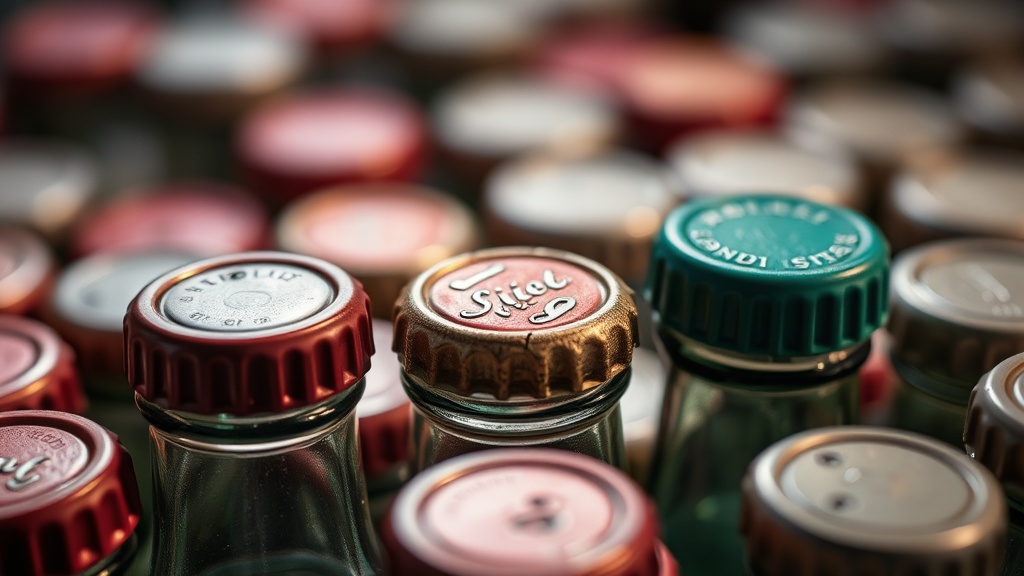
Why Small Metal Caps and Bottle Tops Matter

Why most people overlook small metal caps
Most collectors think a "real" find needs to be a large, heavy glass bottle or a massive ceramic platter. They assume the value lies in the bulk of the object. That mindset is a mistake. Some of the most interesting pieces of history are tucked away in the small, overlooked details—the metal caps, the bottle tops, and the small metal tokens that often end up in the bottom of a junk drawer. These tiny objects provide a snapshot of industrial history, packaging evolution, and even regional branding that large-scale items often miss.
When you look at a metal cap, you aren't just looking at a piece of scrap metal. You're looking at the transition from corks to standardized industrial closures. These small items are easy to store, easy to transport, and often carry much more detailed imagery than a standard glass bottle ever could. If you've ever found a weathered soda cap or a vintage metal seal, you've found a piece of a much larger industrial story.
What makes a vintage bottle cap collectible?
A common question I get is what actually differentiates a piece of trash from a collectible cap. It isn't just about age; it's about the design and the manufacturing process. You want to look for specific hallmarks of a certain era. For instance, early 20th-century metal closures often feature much more intricate lithography than the simple printed designs we see today. The colors are often deeper, and the metal itself might have a different texture or weight.
To determine if a cap is worth your time, check for these three things:
- Lithography Quality: Is the image crisp or blurry? High-quality vintage caps often have incredibly fine detail in the lettering and iconography.
- Material Composition: Is it a heavy-duty steel or a lighter aluminum? This tells you a lot about the era of production.
- Condition of the Rim: The crimped edge of a cap can tell you if it was part of a hand-operated bottling machine or a modern automated one.
Collectors often search for specific brands, but I suggest looking for the era. A generic brand cap from 1920 might actually be more interesting than a branded one from 1960 because the manufacturing techniques were much more specialized. You can learn a lot about metallurgical history through sites like the Museum of Science resources regarding industrial evolution.
How do you preserve metal caps from rusting?
Metal is a fickle medium. Unlike glass, which stays relatively unchanged for a century, metal reacts to the air around it. If you find a beautiful vintage cap with a slight patina, you have to decide: do you want it to look "new," or do you want to preserve the history? Most collectors prefer to keep the patina, as over-cleaning can strip away the very character that makes the piece special.
If you're dealing with active oxidation (rust), don't reach for the heavy abrasives. A light touch is better. You can use a very fine, non-abrasive cleaner, but be warned—most collectors agree that the "aged" look is part of the value. If you want to learn more about how different metals react to environments, the Library of Congress digital collections often have incredible historical context on industrial materials.
Here is a quick guide for handling different metal types:
| Metal Type | Common Issue | Best Approach |
|---|---|---|
| Steel/Iron | Rust/Oxidation | Keep dry; avoid moisture completely. |
| Aluminum | Dullness | Light buffing with a soft cloth. |
| Copper/Brass | Verdigris | Leave it alone to preserve the green patina. |
Is there a market for small metal-based collectibles?
Yes, but it's a niche market. You won't find a massive auction house dedicated solely to bottle caps, but the collectors who do care are very dedicated. This is a community of people who value the "small stuff." Because these items are small, they are often found in "estate sales" or "garage sales" for pennies, making them an accessible entry point for new collectors. You aren't looking for a million-dollar item; you're looking for a piece that tells a story.
<The key to building a collection of smalls is consistency. If you decide to collect metal bottle tops, don't just grab every random one you see. Look for a theme. Maybe it's soda caps from the 1950s, or perhaps it's metal seals from a specific type of apothecary bottle. A themed collection is much more valuable and interesting than a random pile of metal. It shows that you've actually studied the history of the object, not just picked up a piece of junk.
Don't let the small size fool you. A single, perfectly preserved metal cap from a defunct soda company can be a centerpiece of a display. It represents a lost piece of Americana (or whatever region you are focusing on) and serves as a tactile connection to the past. It's the little things that truly matter in this hobby.