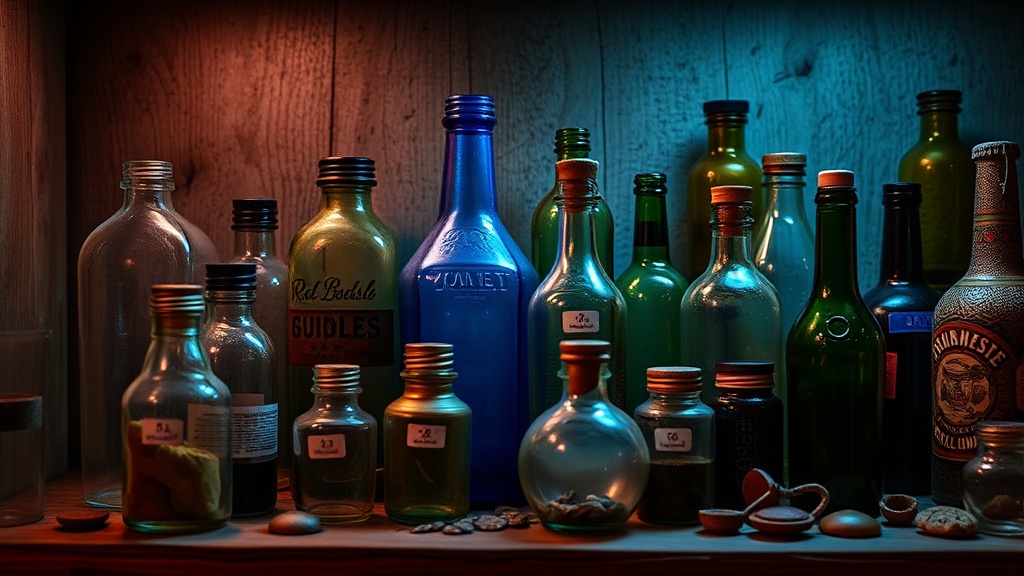
Where Should You Store Fragile Collectibles? Protecting Your Bottles, Caps, and Small Finds

What You'll Learn About Proper Storage
This guide covers practical storage solutions for small collectibles—vintage bottles, souvenir plates, bottle caps, and other delicate items that need protection from damage, light, and environmental hazards. You'll discover specific techniques for different materials, learn which common household locations actually harm your collection, and get actionable steps to organize your finds without spending a fortune on specialty supplies. Whether you're storing a dozen beer caps or a hundred antique bottles, these methods will keep your items safe and accessible.
Why Storage Location Matters More Than You Think
Most collectors focus on acquiring pieces—hunting at flea markets, estate sales, and online auctions. But here's the truth: poor storage destroys more collectibles than accidents ever do. Temperature swings, humidity spikes, and ultraviolet light silently damage glass, ceramic, metal, and paper items over months and years.
Attics and basements are the worst offenders. That "extra space" seems convenient until you realize temperatures in unfinished attics can swing from 40°F to 140°F seasonally. Glass expands and contracts with these shifts. Ceramics develop fine cracks called crazing. Paper labels yellow and become brittle. Basement storage introduces humidity problems—mold grows on cardboard, metal caps corrode, and corks in vintage bottles rot.
The ideal storage space maintains stable temperature (60-75°F year-round) and moderate humidity (45-55%). Interior closets, finished rooms, or dedicated shelving in living spaces work best. Yes, this means your collection might occupy space you'd rather use for something else—but damaged collectibles lose value fast, and some environmental damage is irreversible.
How Should You Store Different Types of Collectibles?
Different materials need different approaches. One-size-fits-all storage invites problems.
Glass Bottles and Decanters
Store glass bottles upright on sturdy shelving. Laying bottles on their sides works for wine but risks label damage for most collectibles—the weight of the glass presses labels against shelves or other bottles. Use shelving rated for at least 50 pounds per linear foot; antique glass is heavier than it looks.
Keep bottles away from direct sunlight. UV light degrades glass color over decades—amethyst glass turns clear, cobalt blue fades to pale. If you must use a room with windows, install blackout curtains or store bottles in opaque bins. Never stack bottles; vibration and pressure cause chips and cracks. Leave at least two inches between pieces so you can lift them individually without bumping neighbors.
For particularly valuable or fragile bottles, consider individual archival boxes. Archival suppliers offer acid-free boxes sized for various bottle shapes. These protect against dust, light, and minor impacts. They're not cheap—expect $5-15 per box—but for irreplaceable pieces, the investment makes sense.
Souvenir Plates and Ceramics
Plates stored vertically in racks resist breakage better than stacked piles. When plates sit flat atop one another, weight concentrates on the center of lower pieces, creating stress points. Vertical storage distributes weight along the rim—the strongest part of the plate.
Use plate stands or rack systems designed for display-weight ceramics. Wire plate racks work for everyday storage; padded versions offer better protection for hand-painted or gilded pieces. Store plates of similar sizes together—mixing large dinner plates with small bread plates creates unstable stacks where smaller pieces can tip.
Never wrap plates in newspaper long-term. Newsprint is acidic and transfers to ceramic surfaces over time, causing yellowing and stains. Use unbleached cotton cloth, acid-free tissue, or plain white paper instead. If plates must be boxed, use dish boxes with cardboard dividers between pieces—the same method professional movers use for fine china.
Bottle Caps and Small Metal Items
Caps and small metal collectibles present unique challenges. They're small enough to lose easily, varied enough to make organization difficult, and prone to corrosion if stored improperly.
Avoid plastic bag storage for metal caps. Plastic traps moisture and creates micro-environments where rust thrives. Instead, use acid-free cardboard boxes, wooden drawers, or compartmentalized trays. Caps should be stored clean and completely dry—any residual moisture from washing invites oxidation.
For display-worthy collections, consider coin collecting supplies. Whitman and other numismatic suppliers offer albums and pages sized for bottle caps. These keep caps visible, organized, and protected from handling damage. For bulk storage, fishing tackle boxes or hardware organizers with adjustable dividers work well—just ensure they're clean and dry before adding your collection.
What Are the Best Containers for Long-Term Storage?
You don't need museum-grade materials for every item, but understanding container options helps you make smart choices.
Cardboard boxes work for short-term storage but degrade over time. Standard cardboard is acidic and attracts pests. If using boxes, choose acid-free archival boxes for valuable items, or at minimum, line standard boxes with acid-free tissue. Replace cardboard boxes every 3-5 years as they absorb moisture and weaken.
Plastic containers are popular but require caution. Avoid PVC plastics—they emit gases that damage metals and paper over time. Look for polyethylene or polypropylene containers (recycling codes 2, 4, or 5). These are chemically stable and widely available. Sterilite and Rubbermaid produce suitable options found at most retailers.
Glass containers offer excellent protection for small items like caps or smalls. They're inert, transparent for easy identification, and create airtight environments when sealed. The downside is weight and fragility. Glass jars work well for caps stored in cabinets; avoid them for high-traffic areas where they might be knocked over.
Wooden drawers and cabinets provide traditional storage but need preparation. Raw wood releases acids and can stain items stored directly against it. Line drawers with acid-free mat board or unbleached cotton. Cedar chests and closets are popular for general storage, but cedar oils can damage some metals and papers—use them with barriers or avoid them for delicate collectibles.
How Do You Protect Labels and Paper Elements?
Many collectibles include paper components—bottle labels, plate backstamps, paper inserts in caps. These are often more fragile than the objects themselves.
Never tape labels or use adhesive products for repair. Adhesives yellow, become brittle, and damage underlying materials. If a label is loose, store the bottle so the label faces upward and isn't pressed against anything. For detached labels, archival document sleeves provide protection without adhesive contact.
Paper elements need the same climate control as the objects themselves—stable temperature, moderate humidity, and darkness. Light damages paper faster than almost any other material; labels exposed to sunlight can fade beyond recognition in just a few years. Store paper-heavy items in closed cabinets or drawers rather than open shelving.
For extensive paper documentation—collection records, provenance research, old advertisements—consider separate archival storage. The National Archives provides detailed guidance on paper preservation worth reviewing if your collection includes significant paper elements.
Creating a Storage System That Works
Good storage isn't just about protection—it's about access. A collection stored so carefully you never look at it might as well not exist. Build your system so you can find and enjoy specific items.
Inventory your collection before organizing storage. Create a simple spreadsheet listing items, dates acquired, condition, and storage location. This sounds tedious but pays off when you own hundreds of items and need to find that one specific bottle cap. Update the inventory when you add pieces or move items between locations.
Label everything. Masking tape and permanent marker work for temporary labels; printed adhesive labels last longer. Include contents and dates on container labels. "Bottle caps—Europe—2020-2023" tells you more than "Caps" when you're searching.
Review stored items annually. Check for emerging problems—new rust spots, label lifting, box deterioration. Caught early, most storage issues are fixable. Ignored, they become expensive damage. Schedule a "collection check" each year, perhaps when you're doing other seasonal maintenance. Fifteen minutes of inspection prevents years of regret.
Start with your most valuable or fragile pieces and work outward. Perfect storage for twenty important items beats mediocre storage for two hundred. As your collection grows, your storage systems can expand—but establish good habits with pieces that matter most. Your future self—and your collection—will thank you for the care you take today.