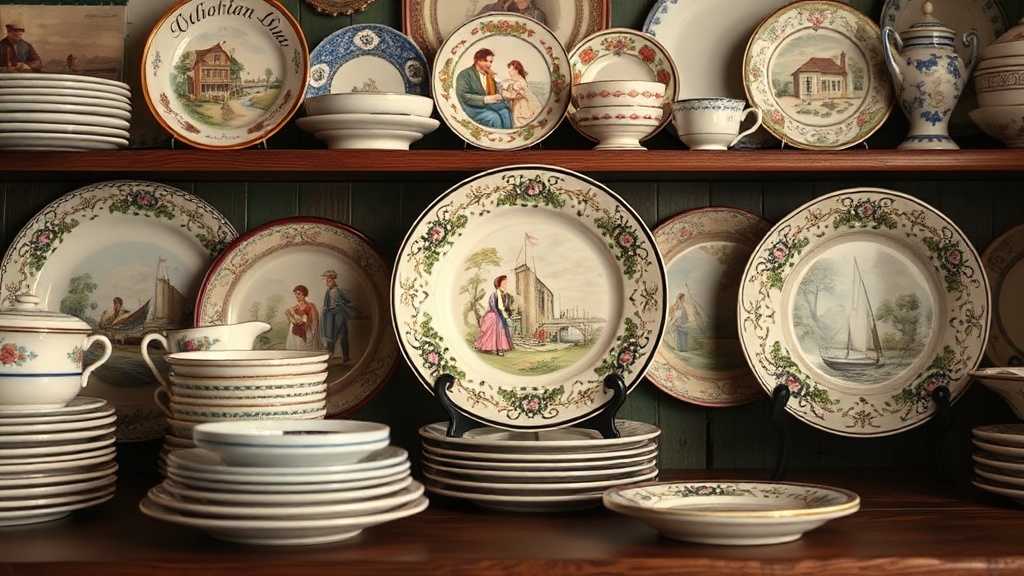
Preserving Porcelain Memories: A Guide to Cleaning and Caring for Your Vintage Souvenir Plates

The Delicate Balance of Cleaning Collectible Plates: A Collector's Imperative
Many collectors harbor a common, yet often counterproductive, belief that vintage souvenir plates are best left untouched, their dusty patina a testament to their age. The misconception is that any attempt at cleaning will inevitably lead to damage, diminishing the plate's value or erasing its historical charm. However, neglecting proper care can actually accelerate deterioration and obscure the very details that make these pieces so special. This guide isn't about aggressive restoration or transforming an antique into a new item; it’s about understanding the nuances of safe cleaning and preservation for your cherished vintage souvenir plates, ensuring they remain vibrant storytellers for generations to come. We’ll explore gentle methods for removing grime, identify when professional intervention is truly warranted, and offer practical advice for long-term care that honors both aesthetics and integrity.
Are Old Souvenir Plates Truly Uncleanable, Or Just Misunderstood?
The idea that vintage plates are too delicate for any form of cleaning often stems from a fear of irreparable damage—and for good reason. Many of these plates feature intricate hand-painted details, delicate decals, or unique glazes that are indeed vulnerable to harsh chemicals or abrasive scrubbing. But does this mean they should simply gather dust, their vibrant colors muted by years of accumulated dirt and environmental pollutants? Not at all. A layer of surface grime isn’t just unsightly; it can sometimes harbor microscopic particles that, over time, can etch into the glaze or even contribute to paint degradation. Proper, gentle cleaning can reveal the plate's original artistry, making it a more impactful display piece and allowing you to appreciate its design with fresh eyes. The key isn't avoidance, but informed caution. Understanding the materials—be it porcelain, ceramic, or earthenware, and the type of decoration—is the first step. Are the designs underglaze, overglaze, or decals? Underglaze designs are typically more resilient as they’re protected by a clear glaze layer. Overglaze enamels and applied decals, however, sit on top of the glaze and are far more susceptible to scratching or fading from improper cleaning. This fundamental knowledge empowers you to approach each plate with the respect and care it deserves, differentiating between a light dusting and a more involved cleaning process.
What Are the Safest Ways to Clean Vintage Ceramic Plates Without Causing Harm?
Approaching a vintage souvenir plate with cleaning intentions demands a 'less is more' philosophy. Start with the least invasive methods and only escalate if absolutely necessary. For everyday dust and light surface grime, a soft, clean, dry paintbrush or a microfiber cloth is often sufficient. Gently brush away any loose debris, taking care around raised elements or delicate edges. If dry cleaning isn't enough, it’s time for a gentle wet wash. Fill a basin with lukewarm (never hot) water and add a few drops of a mild, pH-neutral soap – think dish soap designed for hand-washing baby bottles, not abrasive detergents. Avoid submerging plates with unglazed bases or those with visible cracks, as water can seep in and cause further damage. Carefully place one plate at a time into the water. Using a very soft sponge or a cotton swab, gently wipe the surface. For stubborn grime, a light, circular motion is usually effective, but never scrub. Pay close attention to any areas where paint or decals appear fragile. After cleaning, rinse the plate thoroughly under slow-running lukewarm water to remove all soap residue. Pat dry immediately with a soft, lint-free cloth, and allow it to air dry completely on a drying rack before handling or displaying. For more detailed guidance on general ceramic care, the Victoria and Albert Museum offers excellent advice on their