Collecting Souvenir Plates: A Complete Guide to Finding Hidden Gems

What Is a Souvenir Plate and Why Do Collectors Value Them?
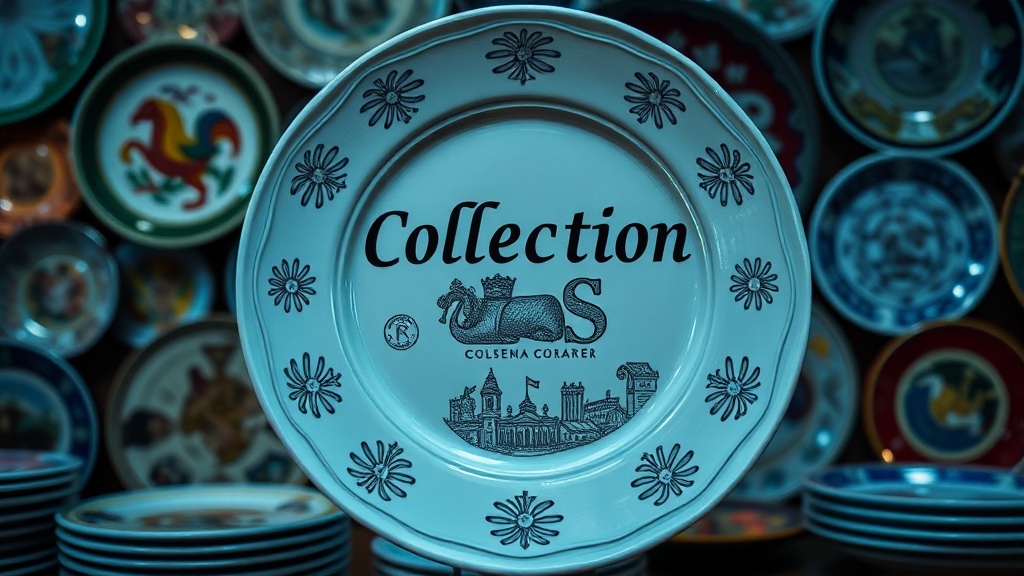
Souvenir plates are decorative ceramic or porcelain dishes that commemorate places, events, or cultural themes, and collectors value them for their artistic craftsmanship, historical significance, and ability to capture memories in tangible form. These items range from vintage travel mementos to limited-edition art pieces, often featuring intricate hand-painted scenes, gold trim, or transfer-printed designs that tell stories about specific locations or moments in time. Whether displayed on walls, in cabinets, or as part of curated collections, souvenir plates offer an accessible entry point into the world of collectibles while maintaining strong resale potential for rare or well-preserved pieces.
The appeal isn't just aesthetic. Many collectors appreciate how these plates document architectural landmarks, regional customs, and historical events that might otherwise fade from memory. A plate depicting Quebec City's Château Frontenac from the 1950s isn't merely decorative—it's a snapshot of mid-century tourism and ceramic production techniques. That said, not every plate warrants display case treatment; condition, rarity, and provenance separate the treasures from the tourist trinkets.
Where Can You Find Authentic Vintage Souvenir Plates?
The best sources for authentic vintage souvenir plates include estate sales, antique shops, flea markets, online marketplaces like eBay and Etsy, specialized auction houses, and family attics where inherited collections often hide untouched for decades. Estate sales consistently yield the highest-quality finds because they typically involve complete household liquidations where decades-old collections surface all at once. You'll often pay 30-50% less than retail antique shop prices while accessing pieces with documented ownership history.
Flea markets demand patience and a discerning eye. Vendors at places like Montreal's Marché aux Puces or Toronto's St. Lawrence Market Antiques section regularly stock ceramic souvenirs, though authenticity verification falls entirely on the buyer. Here's the thing: reproductions abound, particularly with popular subjects like Niagara Falls or Mount Rushmore. Look for manufacturer's marks on the reverse—legitimate vintage pieces from companies like Royal Copenhagen, Bing & Grøndahl, or English manufacturers such as Johnson Bros and Wedgwood carry distinct backstamps that forgers rarely replicate perfectly.
Online platforms offer convenience but require caution. eBay's advanced search filters let you specify era, manufacturer, and condition, though photographs can obscure hairline cracks or crazing (those fine surface cracks in glaze). Etsy tends toward higher prices but often features sellers who specialize in specific plate categories—travel souvenirs, state commemoratives, or holiday-themed collectibles. The catch? Shipping costs for fragile ceramics add up quickly, and insurance claims for damaged plates rarely cover sentimental value.
Red Flags to Watch For
- Modern "vintage-style" plates sold without age disclosure
- Perfect condition on supposedly 100-year-old pieces (authentic vintage shows gentle wear)
- Missing manufacturer's marks or suspiciously crisp backstamps
- Colors that appear too bright or "fresh" for their claimed era
How Do You Identify and Value Different Types of Souvenir Plates?
Souvenir plate valuation depends on manufacturer reputation, production era, condition, subject matter rarity, and decorative technique, with hand-painted limited editions commanding premium prices over mass-produced transfer-printed alternatives. The difference between a $15 flea market find and a $500 collector's piece often comes down to these specific factors—and knowing how to assess them separates casual buyers from serious collectors.
| Plate Type | Characteristics | Typical Value Range | Notable Examples |
|---|---|---|---|
| Hand-Painted Artist Plates | Original artwork, signed by artist, numbered editions | $150 - $2,000+ | Royal Copenhagen Flora Danica, Haviland Limoges |
| Transfer-Printed Travel Souvenirs | Machine-printed scenic views, common landmarks | $15 - $75 | Niagara Falls commemorative, Yellowstone National Park |
| State & City Commemoratives | Produced for specific locations, often with gold trim | $25 - $150 | Southern Potteries (Blue Ridge) state plates, American Limoges city series |
| Holiday & Seasonal Plates | Annual Christmas editions, limited yearly releases | $40 - $300 | Bing & Grøndahl Christmas plates, Wedgwood annual editions |
| Advertising & Promotional | Corporate branding, event-specific giveaways | $20 - $200 | Coca-Cola commemorative, World's Fair promotional plates |
Manufacturer marks serve as your primary authentication tool. Flip any plate over and examine the base with magnification if needed. American potteries like Roseville and Weller used distinctive impressed or incised marks; European manufacturers often included country-of-origin stamps required by import regulations after 1891. The absence of any mark doesn't automatically indicate a reproduction—some early American souvenir plates were unmarked—but it should prompt additional scrutiny of the ceramic body, glaze quality, and decorative technique.
Condition assessment follows established grading standards. "Mint" means no flaws whatsoever, including manufacturing irregularities. "Excellent" allows for minor wear consistent with careful display. "Good" indicates visible wear but no structural damage. Anything below "Good"—chips, cracks, significant crazing, or faded decoration—carries substantially reduced value unless the piece is extraordinarily rare. Worth noting: professional restoration can actually decrease value among serious collectors who prize original condition over cosmetic perfection.
Popular Collecting Themes
Many collectors specialize rather than accumulating randomly. Geographic themes dominate—Canadian provinces, American national parks, European capitals—though subject-based collections (state birds, historical events, holiday commemoratives) offer focused hunting grounds. The Bottle Cap and Small Collectibles Association (despite the name) maintains resources for ceramic collectors that prove surprisingly relevant for authentication techniques and valuation research.
Some collectors focus exclusively on specific manufacturers. Bing & Grøndahl's annual Christmas plates—first issued in 1895—represent one of the longest-running collectible series in existence. Royal Copenhagen's parallel Christmas series, started in 1908, commands similar loyalty. These plates were produced in genuinely limited quantities with documented retirement dates, creating predictable scarcity that drives secondary market prices.
How Should You Display and Store Souvenir Plates?
Proper display and storage of souvenir plates requires secure mounting hardware, climate-controlled environments away from direct sunlight, appropriate spacing to prevent contact damage, and archival-quality materials when boxing for long-term preservation. Display methods range from decorative plate hangers and easels to custom cabinetry with built-in lighting—each approach balancing aesthetic presentation against preservation requirements.
Wall mounting remains the most popular display method, though plate rails and traditional wire hangers present risks. Spring-loaded wire hangers that grip plate edges can stress ceramic bodies over time, particularly with heavier porcelain pieces. Museum putty (reusable adhesive compounds) offers more secure attachment without hardware, though removal requires patience and gentle solvents to avoid surface damage. For valuable collections, consider investing in specialized plate hangers with padded contact points or custom-fitted display cases that eliminate handling entirely.
Environmental factors destroy more collections than physical accidents. Direct sunlight fades transfer-printed colors and can degrade gold trim within months. Temperature fluctuations cause ceramic expansion and contraction that accelerates crazing. Humidity above 60% encourages mold growth on wooden backing materials; below 40% risks drying and embrittlement of older glazes. The ideal storage environment mirrors museum standards: stable 65-70°F temperature, 45-55% relative humidity, and complete darkness when not being viewed.
Storage Solutions by Collection Size
- Small collections (1-20 plates): Individual archival boxes with acid-free tissue, stored flat in climate-controlled closets or displayed on protected walls
- Medium collections (21-100 plates): China cabinets with glass doors, plate racks with environmental monitoring, or archival storage boxes organized by theme/manufacturer
- Large collections (100+ plates): Custom shelving with UV-protective glass, dedicated display rooms with climate control, or professional storage facilities for investment-grade pieces
Documentation matters as much as physical care. Maintain photographs, purchase receipts, and provenance records for each significant piece. Insurance riders for valuable collections require detailed inventories—photograph marks, document measurements, and keep authentication paperwork organized. The time invested in cataloging pays dividends when selling, insuring, or simply appreciating how a collection evolved over years of hunting.
The souvenir plate market continues evolving. Younger collectors increasingly gravitate toward mid-century modern designs and pop-culture subjects over traditional scenic views. Social media platforms have democratized authentication—collectors share mark photos and crowdsource identification within hours rather than weeks of research. Yet the fundamental appeal remains unchanged: these ceramic pieces capture moments, places, and craftsmanship in ways that digital photography simply cannot replicate. Whether building a focused collection of Quebec ceramic art or assembling a travel memory wall spanning decades of vacations, souvenir plates offer collecting satisfaction that transcends trends.